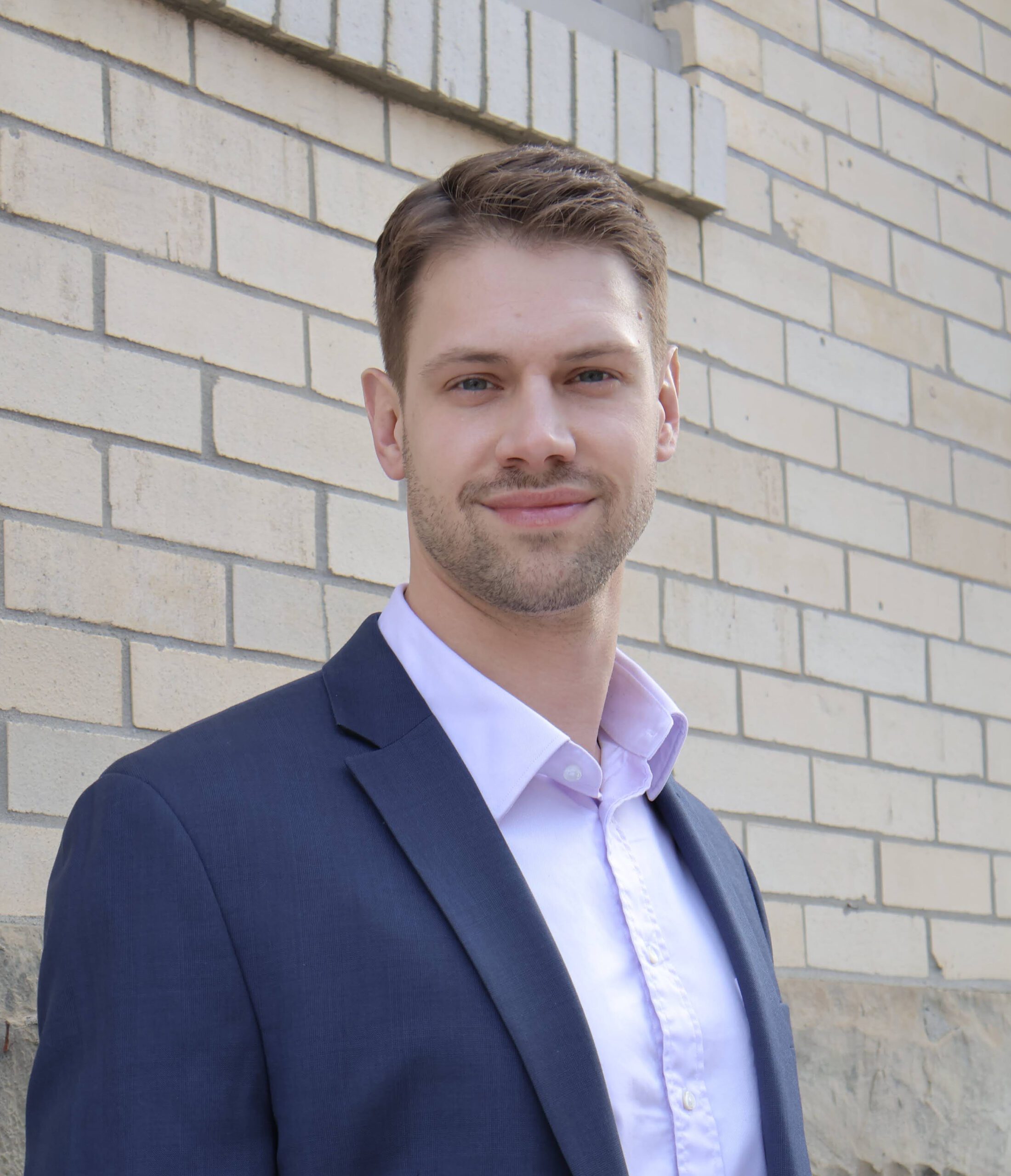
While his connection to Shannon spans a lifetime, Christian brings more than legacy to the role. With a background in engineering and a decade of experience in the medical device industry, he steps into this new chapter focused on stewardship, engagement, and strengthening the service-first culture that defines Shannon.
In this conversation, Christian shares what this transition means to him, how outside experience has shaped his leadership perspective, and what he believes sets Shannon apart.
Joining Shannon is a meaningful moment both professionally and personally. What does it mean to you to step into this role as part of the fourth generation of your family’s leadership?
I am grateful and honored to have the opportunity to be in the fourth generation of my family to steward the legacy of Shannon Construction. This organization and its people have been an integral part of my personal history and I’m looking forward to adding to the professional history over the coming years.
You’ve been connected to Shannon from the outside your entire life. Now that you’re part of the day-to- day, what has surprised you most?
Since joining the organization, I have been very impressed with the Shannon team’s alignment to the ethos of the company. Every one of our people, whether they work in the field or the office, are bought-in and synchronized with Shannon’s core values and how we work. During my experience at other companies, alignment to the organization’s values was inconsistent. The prevalent display of Shannon’s core values by all of our staff speaks to Ken’s leadership and his ability to instill a culture into the company.
You bring a strong academic background and a range of professional experience. How have those experiences shaped the way you approach leadership, strategy, and problem-solving?
My education in engineering and the decade I spent working for medical device companies had a significant influence on my professional outlook and how I work. Some of the key lessons I carry with me include:
- Small mistakes can have serious consequences. An engineering miscalculation can result in product failure and potentially harm a patient. That level of responsibility reinforces diligence, accountability, and attention to detail.
- Process matters – but so does flexibility. Too much process can stifle efficiency. The right balance creates consistency and quality without enabling teams to avoid critical thinking.
- The right people drive real progress. Data informs decisions, but collaboration and sound judgment ultimately determine outcomes.
- Goals require action and accountability. Vision alone isn’t enough. Clear tactics, measurable KPIs, and follow-through turn goals into results.
- There is rarely one “right” answer. Most problems can be solved in multiple ways. Removing assumptions and following factual information leads to better decisions.
- Structured problem-solving is powerful. I’ve learned several root cause and decision analysis techniques, but having the right people in the room makes the biggest difference.
- Leadership is not one-size-fits-all. Managing diverse teams — engineers, scientists, marketers, sales professionals, warehouse staff, nurses, and others — taught me to adapt my leadership style to the individual and the situation.
- Lead by example. Set the standard you expect, hold yourself accountable, and demonstrate the behaviors you want your team to follow.
- Most problems can be solved through conversation. Sitting down and having an honest discussion resolves more issues than we often realize.
“I want my peers at Shannon and our clients to respect and trust me for the work that I provide and not because of a position or role.
Coming from a family with deep roots at Shannon, how do you personally think about earning trust rather than inheriting it?
This is a critical point for all family businesses preparing for a transition, even one that will extend for multiple years. One of the reasons that I worked away from Shannon Construction for so long was to develop myself independently. I want my peers at Shannon and our clients to respect and trust me for the work that I provide and not because of a position or role. As with any facet of life, respect must be earned and fostered, and that takes time. I look forward to building rapport with those across our local construction industry.
You’ve seen how different industries operate under pressure. What’s something you’ve learned that you believe will matter most for Shannon as we look ahead to 2026 and beyond?
When working for a medical device company, we experienced a sharp downturn in the business one year. Rather than acting rashly, we doubled down on our core competencies and what we did well. Although these actions did not immediately eliminate the pressure, it ensured that we continued to invest in the proficiencies of the organization, understanding that’s why customers came to us in the first place. Shannon Construction can build on past success by focusing on our key capabilities and continuing to provide a high level of service, especially when the construction business goes through its natural ebbs and flows.
From your perspective, what do you believe truly sets Shannon apart?
“Where Shannon sets itself apart is how we partner with our clients — even when it means less revenue for us.
I believe the differentiating factor for Shannon is the service-first approach we provide. Like many other contractors, we aim to build strong relationships with our clients, be responsive, and deliver a high quality product. Where Shannon sets ourselves apart is how we partner with our clients to help them achieve their goals. This could mean finding creative cost savings opportunities during budgeting or construction, suggesting a completely alternate strategy, or working with other pre-construction/construction partners to find the best solution to a problem. Usually, these strategies result in Shannon receiving less revenue or the elimination of a job entirely. However, we believe it’s our responsibility to help our clients achieve their goals and to serve the broader community.
One of Shannon’s greatest strengths has always been its people. What do you value most about the team here, and how do you hope to continue strengthening the culture?
The Shannon team, both the field and office staff, are fantastic. Besides the alignment to company ethos that I mentioned before, I really appreciate the group’s work ethic and passion for supporting our clients. They apply themselves diligently to provide the best service we can and to reach our collective goals.
What excites you most about where the construction industry is headed?
I’m excited about many developments in our industry. I believe the integration of technology will continue to add value by improving efficiency and accuracy of our work. I’m looking forward to seeing how commercial real estate and construction adjust to the evolving needs of our clients, as companies continue to find their optimal operating model post-pandemic. And I’m energized by the influx of youth into all facets of the industry, bringing fresh ideas to help us all grow.
If you had to describe the future of Shannon in one sentence, what would you say?
Shannon will continue to provide the personal and thoughtful service that we provide today, while growing our scale and revenue, and evolving our operating practices to increase efficiencies.
What’s the best piece of advice a family member has ever given you, and how has it influenced the way you approach leadership today?
My grandfather (Ken’s father) had a phrase he would frequently use – “Good, bad, or indifferent; make a decision”. The phrase is rooted in the Stoicism branch of philosophy and I’ve always taken away two key lessons from it. First, indecision is paralyzing. Certainly, more time needs to be given to some decisions over others, but don’t let indecision prevent progress as there are innumerable decisions that have to be made every day. Make the best decision you can with the information you have and move on. Second is to expect and embrace failure. When you make significant decisions, you are guaranteed to occasionally make the wrong choice. Learn from that mistake and don’t let it define you. Alternatively, evaluate the process used to make the decision instead of just the outcome, as the bounds of our control are often limited.
When work and life get busy, what’s your go-to way to recharge?
Nature. When I’m going through a stressful period personally or professionally, getting out in nature for a long hike, backpacking trip, fly-fishing, or skiing is the antidote. Stepping away from civilization and technology always helps me reset and gain perspective.