Skip to Content

Currently Viewing Posts in Articles

Inside the Estimate: What our Estimating Team is Seeing in the Market

Before a project reaches the field, decisions made during planning, budgeting and design can have a significant impact on cost and schedule.

Shannon Construction estimators Kevin Kilinsky and John Beck spend their days reviewing drawings, developing budgets, talking with trade partners and tracking the factors affecting construction costs. We asked them what they are seeing in the market now, where they are finding opportunities for value engineering and what owners considering projects in late 2026 or 2027 should have on their radar.

Big picture, what trends are you seeing in estimating and bidding right now?

Kevin: We’re doing a lot of budgets right now. There are plenty of projects being considered, but we’re seeing them spend more time in the planning and development stages before moving into construction. That makes ongoing budgeting throughout design especially important.

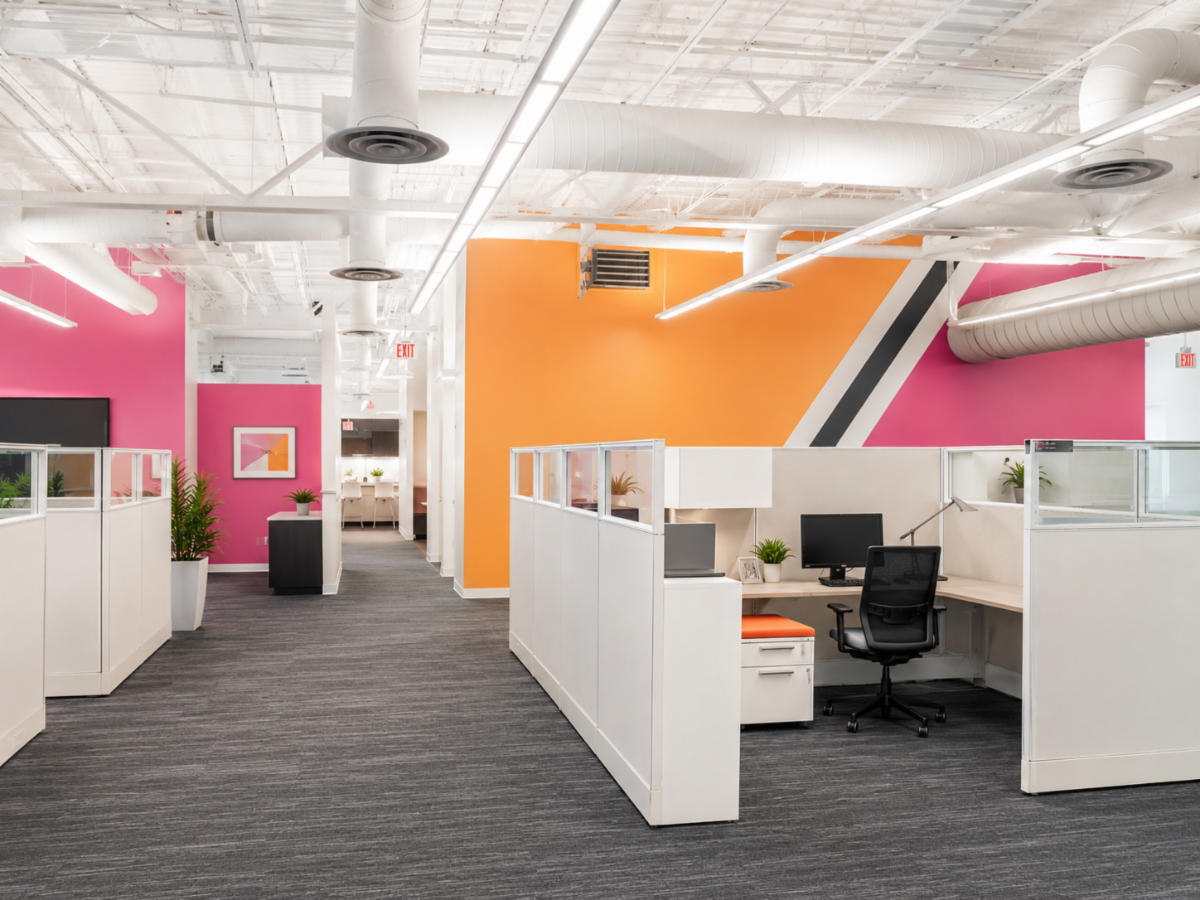
John: We’re also seeing strong subcontractor participation when projects go out to bid, which gives us good coverage across a number of trades. On the office side, we’re seeing some changes in how spaces are being designed too, including denser footprints and a return to more individual offices compared with some of the open-concept layouts we’ve seen in recent years.

What are you seeing with material pricing?

John: Material costs continue to move. Metal studs and aluminum are two areas we’ve been watching closely, with noticeable increases over the last several months. It’s important to keep checking current pricing as a project moves through design because numbers from a few months ago may not necessarily reflect where the market is today.

Kevin: Steel is another one we’re watching. Demand associated with data center construction is putting additional pressure on steel pricing and availability. That can have an impact on other projects competing for the same materials, so it’s something we’re keeping an eye on as we develop budgets.

Are there materials, equipment or building systems where lead times are still a concern?

John: Electrical equipment continues to be a big one. Certain electrical switchgear and generators can still have lead times of a year or more. Steel is also becoming more of a procurement consideration.

Kevin: Data center construction could put additional pressure on some of those materials and equipment. Skilled labor availability is another factor we continue to account for when looking at both cost and schedule.

Are you seeing changes in what owners require as part of the bid process?

Kevin: We’re seeing more RFPs where owners are evaluating more than just the final number. They want to understand the contractor, the proposed project team and how that team plans to approach the work.

John: The submissions themselves have become more detailed too. We’re seeing more prequalification requirements, technical proposals, estimating schedules and project-specific information. It gives owners an opportunity to evaluate qualifications, approach and team experience along with cost.

Are you noticing changes in the types of projects coming across your desks?

John: We’re still seeing a mix of office, retail and industrial work. We’re also seeing demolition and make-ready projects, along with tenants making targeted improvements or refreshing existing spaces rather than always undertaking a complete renovation.

Kevin: Tenant retention continues to be important for building owners. We’re seeing owners look strategically at improvements that can help existing tenants make better use of their spaces and keep properties competitive.

Where are you finding the best opportunities for value engineering?

John: Lighting packages are a big one. We also look for opportunities to reuse existing doors, frames, flooring and other materials that are still in good condition. Finish selections can make a difference too. Wall coverings, acoustical panels, millwork and decorative wall panels are all areas we evaluate for potential savings. Sometimes something as simple as using an accent paint color instead of a wall covering can provide the same visual impact at a lower cost.

Kevin: HVAC controls are another area worth evaluating, because they can represent a significant cost. We also look at many of the same finish and material selections John mentioned. The goal isn’t simply to reduce cost. It’s to identify where the budget can be used most effectively without sacrificing function or creating maintenance issues down the road.

The goal isn’t simply to reduce cost. It’s to identify where the budget can be used most effectively without sacrificing function or creating maintenance issues down the road.

What are the advantages of involving the estimating team early in a project?

Kevin: One of the biggest advantages is being able to provide progress budgets as the design develops. That gives us the opportunity to identify cost impacts and value-engineering options along the way instead of waiting until the drawings are complete to compare the design against the budget.

John: It gives the owner more control over the cost of the project. Early involvement also gives the team time to identify long-lead items. If we know a project is moving toward construction, there may be opportunities to plan for or release certain materials and equipment earlier rather than waiting until the entire design is complete.

What’s something you’re seeing in estimates or bid requirements that owners or design teams might be surprised by?

John: Electrical code requirements can have a bigger impact on renovation projects than people expect. When we get into an older space with antiquated lighting or controls, current code requirements may mean upgrades need to be incorporated into the project. Identifying those conditions early helps everyone account for them in the budget and design.

We’ve also had a positive experience recently with permitting timelines in the City of Pittsburgh. From what we’re seeing, the process has been moving more efficiently than it has in recent history.

Kevin: Another important piece is making sure the project scope, design goals and budget stay aligned as the design develops. The earlier the owner, design team and contractor can establish those parameters together, the more useful our budgeting can be and the easier it is to make informed decisions along the way.

If an owner is budgeting a project for late 2026 or 2027, what should they be thinking about now?

John: Labor rates are something to account for. If construction isn’t starting for six months or a year, the labor rates in place when the work is performed may be different from what we’re pricing today.

Kevin: The same is true for materials. Pricing continues to change, particularly in areas where demand is putting pressure on supply. A budget developed today needs to account for when the project will actually be purchased and built.

The more information we have early, and the more decisions that can be made as the design progresses, the more accurately we can price the work and help the team plan ahead.


Planning a project?

Early budgeting can help identify cost, procurement and scheduling considerations while there is still time to evaluate options.  Connect with Shannon Construction to start the conversation.

Employee Spotlight – Celebrating Mike Kaminsky’s 40 Years with Shannon

Tony Kozak shares his thoughts on stepping into the Controller position, supporting our project and operations teams, and a few personal insights as well.

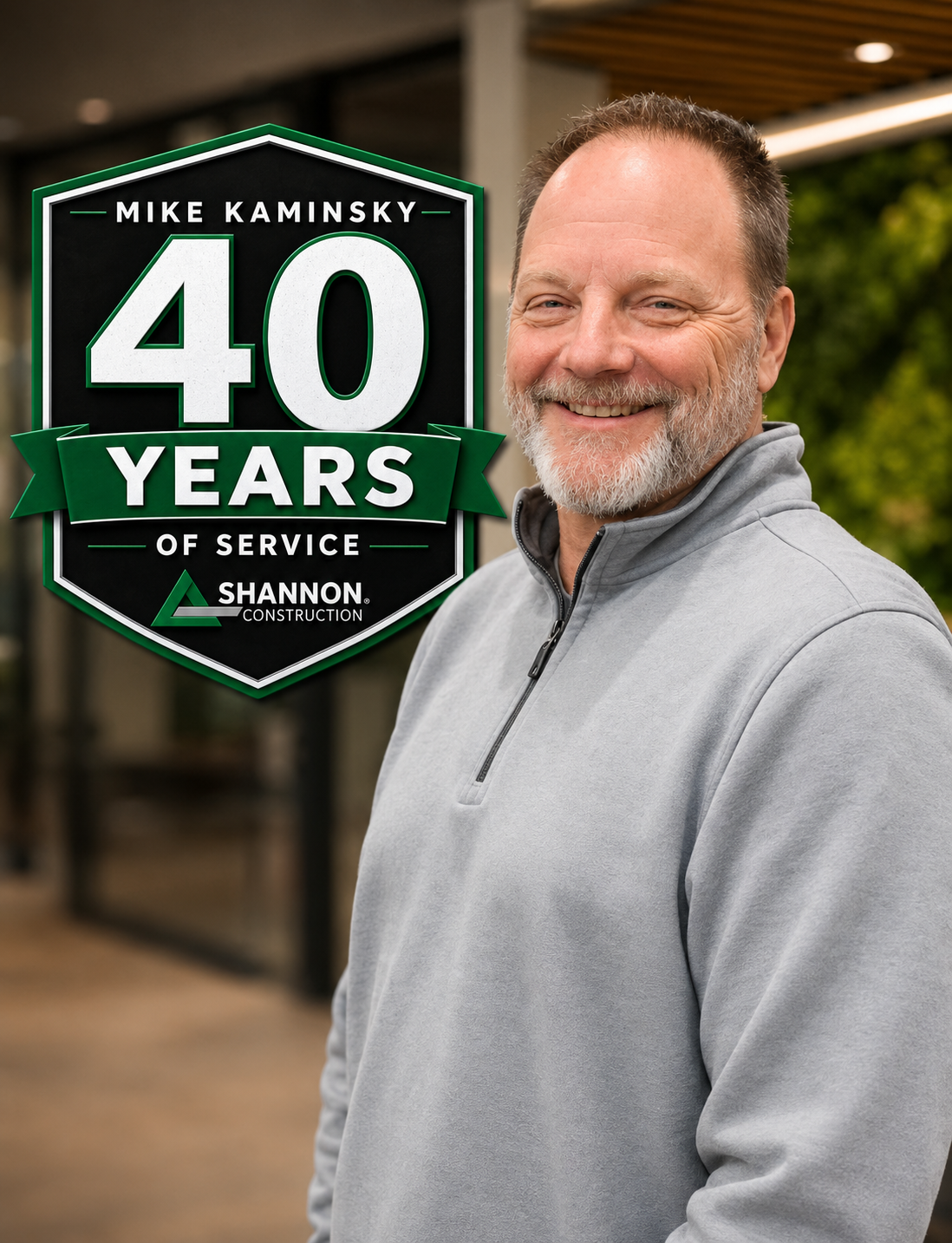
This year, General Superintendent Mike Kaminsky celebrates 40 years with Shannon Construction, a career that has taken him from laborer and carpenter apprentice to leading projects and helping develop the next generation of Shannon’s field team.

Mike’s connection to Shannon Construction actually started before his own career. His father worked for Larson Builders and later Shannon for 40 years. Mike spent summers during high school working in the warehouse, stocking and organizing tools and materials. Larson Builders was founded by the grandfather of Shannon President Ken Schultz, beginning a family construction legacy that now spans four generations.

After high school, he tried a few other things before returning to Shannon in 1986. “My first job as a laborer was at the Grant Building, where we were working on multiple floors,” Mike recalled. A year later, he joined the carpenters union, beginning his apprenticeship at Two Chatham Center on a nine-floor renovation.

From Pagers and Paper to Today’s Jobsites

When Mike started, nearly all of Shannon’s work was in Downtown Pittsburgh. “There were days you would carry your tools through town and visit multiple jobs,” he said. The technology was a little different, too. “The only thing we had when I started were pagers and paper. If somebody wanted you, they would page you, and you had to go find a phone to call them back.”

Today, Shannon’s work extends throughout Western Pennsylvania and beyond, and cell phones, computers and tablets have transformed how projects are managed. But for Mike, the fundamentals of running a good job haven’t changed. “Strong communication skills, the ability to plan ahead, treating people with respect, being able to handle pressure, and having the drive to get jobs done on time and under budget.”

Projects That Stand Out

After four decades, two projects immediately come to mind for Mike. At Cranberry Mall, Shannon replaced approximately half a mile of storefront and sidewalks while keeping every store accessible and working around heavy traffic. Another was the renovation of the center core at Pittsburgh International Airport, which included demolition and the construction of nine new high-end retail stores.

Both required extensive coordination and planning, skills Mike developed by learning from many experienced foremen and superintendents throughout his career. “I took different things from each of them to develop the way I run jobs,” he said. “I also learned a lot about construction and work ethic from my dad.”

Passing It On

Today, Mike is helping the next generation of Shannon’s field team learn the same way he did. His advice is straightforward: communicate with your crew and project manager, plan ahead, keep a good daily log, continue learning and don’t be afraid to ask questions. Most importantly, he believes experienced tradespeople have a responsibility to teach those coming up behind them.

“Teach the apprentices and younger carpenters. They are our future,” Mike said. “I hope a lot of our younger guys are doing this same 40-year interview in the future.”

What Hasn’t Changed

A lot has changed at Shannon since 1986, but Mike says one thing hasn’t. “The way Shannon and the Schultz family treat their employees. I’m now working with the fourth generation, and they have all treated the employees and coworkers very well.”

That is also a big part of what has kept him here for 40 years. “You couldn’t ask for a better place to work or a better family to work for. I’ve been lucky to work with a lot of great people over the years.”

Of course, not every Shannon tradition survived four decades. Mike remembers when employees received a 20-pound frozen turkey and a box of candy for Christmas. George Schultz, Ken Schultz’s father, and Ken would load the turkeys into George’s station wagon and personally deliver them to Shannon jobsites. “It was always fun carrying a 20-pound frozen turkey up the hill from the job to the parking lot at the Civic Arena, or carrying it home on the T.” Some parts of working in construction really have gotten easier.

Congratulations to Mike on an incredible 40 years with Shannon Construction. Thank you for four decades of hard work, leadership and for helping pass that experience on to the next generation.  We look forward to the positive impact you will continue to have on the organization.  

Meet Jerry Simms: Strengthening Shannon’s Presence in Harrisburg

Shannon Construction is pleased to welcome Jerry Simms as Project Manager, supporting our Harrisburg operations at the Commonwealth Charter Academy projects in Harrisburg, PA.

With more than 20 years of experience in commercial, government, and data center construction, Jerry brings a proven ability to lead complex projects while building strong relationships with clients, project teams, and trade partners. Throughout his career, he has earned a reputation for bringing organization, collaboration, and steady leadership to challenging initiatives.

Jerry was drawn to Shannon Construction because of the company’s family-oriented culture, commitment to mentorship, and focus on professional growth. He was looking for an organization where teamwork and long-term development are valued as much as project success.

“High-performing teams aren’t born. They’re built through trust, communication, emotional intelligence, and a shared commitment to success.”

For Jerry, construction management is about more than schedules and budgets. He believes the best outcomes come from creating an environment where people can rely on each other, communicate openly, and demonstrate mutual respect. Whether guiding a complex project or mentoring the next generation of construction professionals, his focus remains the same: helping people succeed while delivering exceptional results.

Outside of work, Jerry enjoys restoring antique mechanical equipment, bicycling, volunteering to support elderly community members, and spending time with his family.

Please join us in welcoming Jerry to the Shannon Construction team as we continue growing our presence throughout the Mid-Atlantic.

Leadership Lessons From Decades in Commercial Construction

Building a Foundation

In an industry increasingly shaped by compressed schedules, evolving technology, and constant demands, John J. “Jack” Bruce believes the fundamentals of construction have not really changed at all.

People still want to be heard. Projects still depend on trust. And problems are still solved through communication and relationships.

As Director of Projects at Shannon Construction, Jack brings decades of experience leading complex commercial, healthcare, higher education, and corporate projects across the construction industry. Over the course of his career, he has overseen major projects valued in the hundreds of millions of dollars for organizations including Dick’s Sporting Goods, UPMC, CONSOL, and Mylan. Yet ask him what matters most, and his answers rarely begin with buildings.

Jack’s perspective was shaped early through his family’s construction business, where he spent summers around machinery, tradespeople, and job sites long before entering the industry professionally.

“At that time, a lot of learning came through experience, repetition, and touch rather than technology,” Jack reflected. “I developed an appreciation for the trades and the people doing the work.”

Initially, Jack believed his career path would lead toward design and the creative side of construction. But while working alongside a commercial real estate developer early in his career, he discovered where he felt most fulfilled: collaborating with teams and solving complex problems that bring projects to life.

Construction in a Changing World

While construction has evolved dramatically over the years, Jack believes some of the industry’s biggest challenges today are rooted less in technical ability and more in communication.

Technology has transformed the pace of the business and created access to more information than ever before. At the same time, the fundamentals of construction remain unchanged, making communication and collaboration as important as ever.

“Listening is one of the most important skills people can develop,” Jack said. “When it comes down to it, we all want the same things. We want to provide for our families and do meaningful work.”

When it comes down to it, we all want the same things.

Leadership Through Mentorship

That philosophy has shaped not only the way Jack approaches projects, but also how he approaches leadership.

Known for his direct but thoughtful communication style, Jack places a strong emphasis on mentorship, accountability, and helping younger professionals grow within the industry. Rather than solving every problem for his teams, he prefers to guide people toward solutions and encourage critical thinking.

“The two best questions you can ask are ‘why?’ and ‘why not?’” he said.

“There’s nothing wrong with being wrong…You just don’t want to keep making the same mistakes over and over.”

He credits much of his leadership approach to lessons learned from his late brother, Tom, whom he deeply admired. From Tom, he learned the importance of being direct, honest, and assertive when communicating, particularly in high-pressure situations where clarity and accountability matter most.

Preserving the Old While Embracing the New

A trip to Baku with his wife Shelley of 40 years and their two sons left a particularly lasting impression on Jack. While there, he was struck by the city’s ability to preserve its historic architecture and cultural identity while embracing modern development around it.

“You had these ancient buildings and history preserved right alongside modern development,” Jack reflected. “It showed that progress does not have to come at the expense of experience or tradition.”

That balance between experience and new perspectives is something Jack values both within the construction industry and at Shannon Construction, where experienced professionals and younger team members continue learning from one another.

Trust, Integrity, and Responsibility

At the center of Jack’s leadership philosophy is trust.

“Nothing is more destructive than losing trust,” he said. “Integrity matters. Telling the truth matters, even when it is not what people want to hear.”

Jack also views leadership through the lens of stewardship and accountability. In discussing project management, he often returns to a simple philosophy: protecting the trust, resources, and investment of both the client and the Company.

“My responsibility is to be a good steward of the project and the people involved,” Jack said, referring to the accountability he feels toward both Shannon Construction and its clients.

Jack believes success in construction is finding the right balance between price, quality and the client’s long-term goals.  “There’s rarely one perfect answer in construction.  It’s all about finding the right balance.”

There’s rarely one perfect answer in construction.  It’s all about finding the right balance.

A Project With Purpose

Throughout his career, one project that remained especially meaningful to Jack was the John G. Rangos Sr. Research Center in Pittsburgh’s Lawrenceville neighborhood. The 300,000-square-foot facility adjacent to UPMC Children’s Hospital of Pittsburgh is home to one of the nation’s fastest-growing pediatric research programs.

At the time, Jack was early in his career and had recently become a father. The project left a lasting impression on him not simply because of its scale or complexity, but because of what the facility represented for children and families.

“It was rewarding knowing the work could help people and make a difference,” Jack reflected.

Today, the project carries even deeper meaning for Jack. Years later, his son is now completing a fellowship in pediatric cardiology, creating a full-circle connection to the work that once left such a lasting impression on him early in his career.

For Jack, construction has always been about more than buildings. It is about trust, communication, problem-solving, and helping people grow along the way.

Built Over Time: Relationships that Shape a Construction Legacy

Long-standing partnerships across Pittsburgh reflect the trust, adaptability, and collaboration that have shaped Shannon Construction for more than 55 years.

In commercial construction, projects may last months, but strong relationships can last generations.

At Shannon Construction, some of our most meaningful work has been built through consistency, collaboration, and shared history.

We’ve worked alongside property owners, developers, and institutions through changing industry needs and leadership transitions, including decades of work within US Steel Tower, retail and restaurant upgrades at Pittsburgh International Airport, and long-standing partnerships at Penn Center East.

Decades of Work Within US Steel Tower

Shannon Construction’s history within US Steel Tower dates back to the mid-1980s, when President Ken Schultz was selected by Galbreath Corporation to oversee projects within the building. His deep knowledge of the building helped establish relationships that have grown into more than 40 years of collaboration and hundreds of projects within one of Pittsburgh’s most iconic buildings.

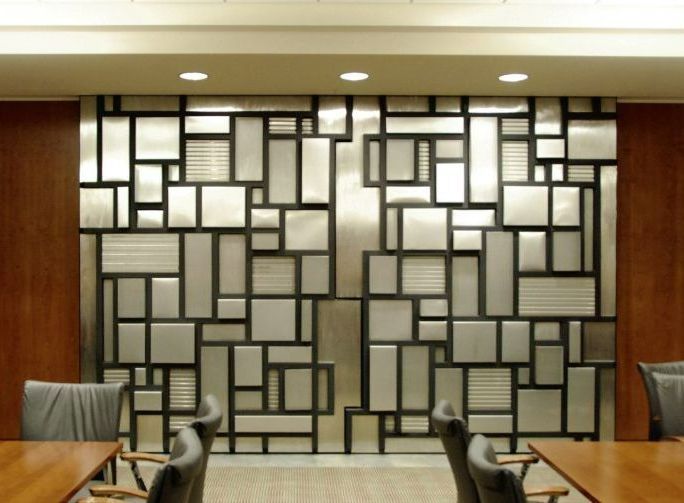
Then

Custom metal feature wall inside US Steel Tower

Custom metal feature wall inspired by U.S. Steel products, designed by Ken Schultz and installed by Shannon Construction within the tower.
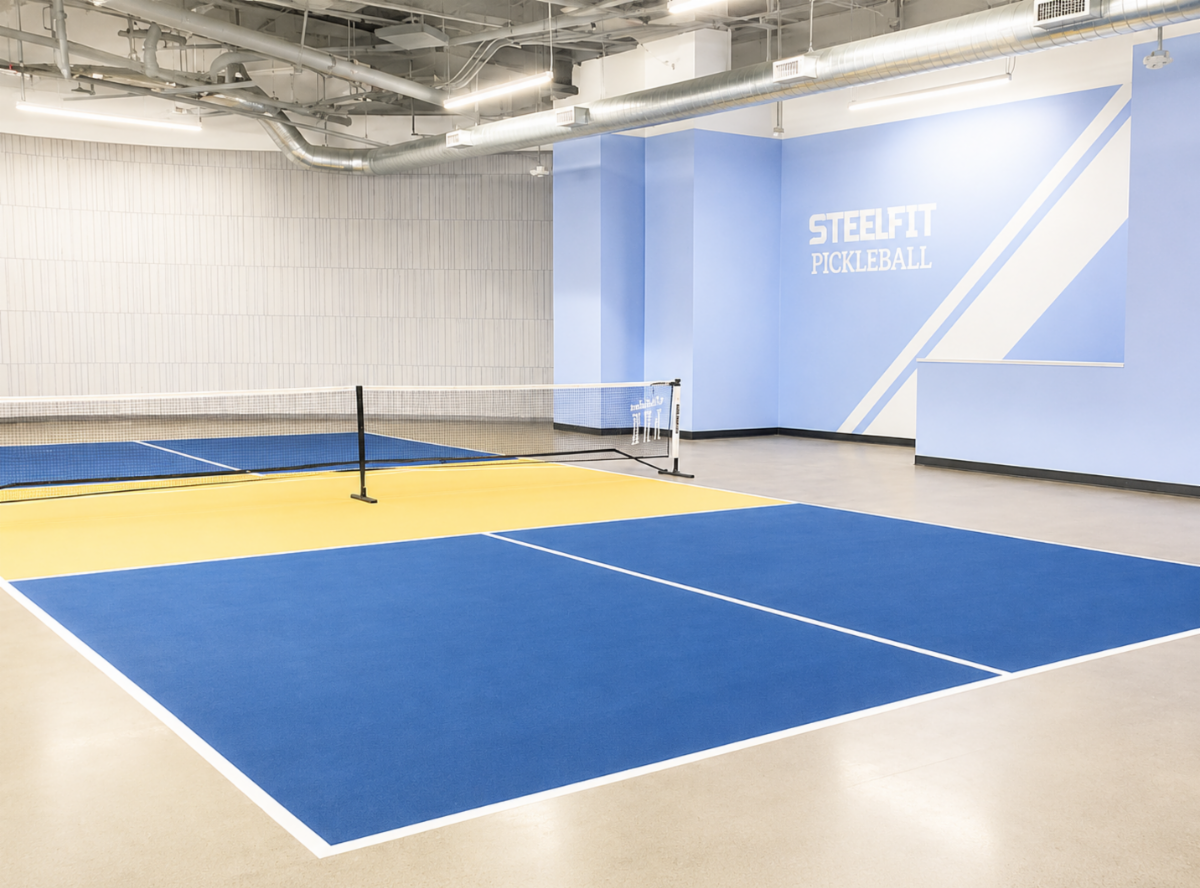
Now

Indoor pickleball amenity at US Steel Tower

An underutilized concourse-level space was transformed into a modern indoor pickleball amenity for building tenants in 2025.

Evolving Spaces at Pittsburgh International Airport

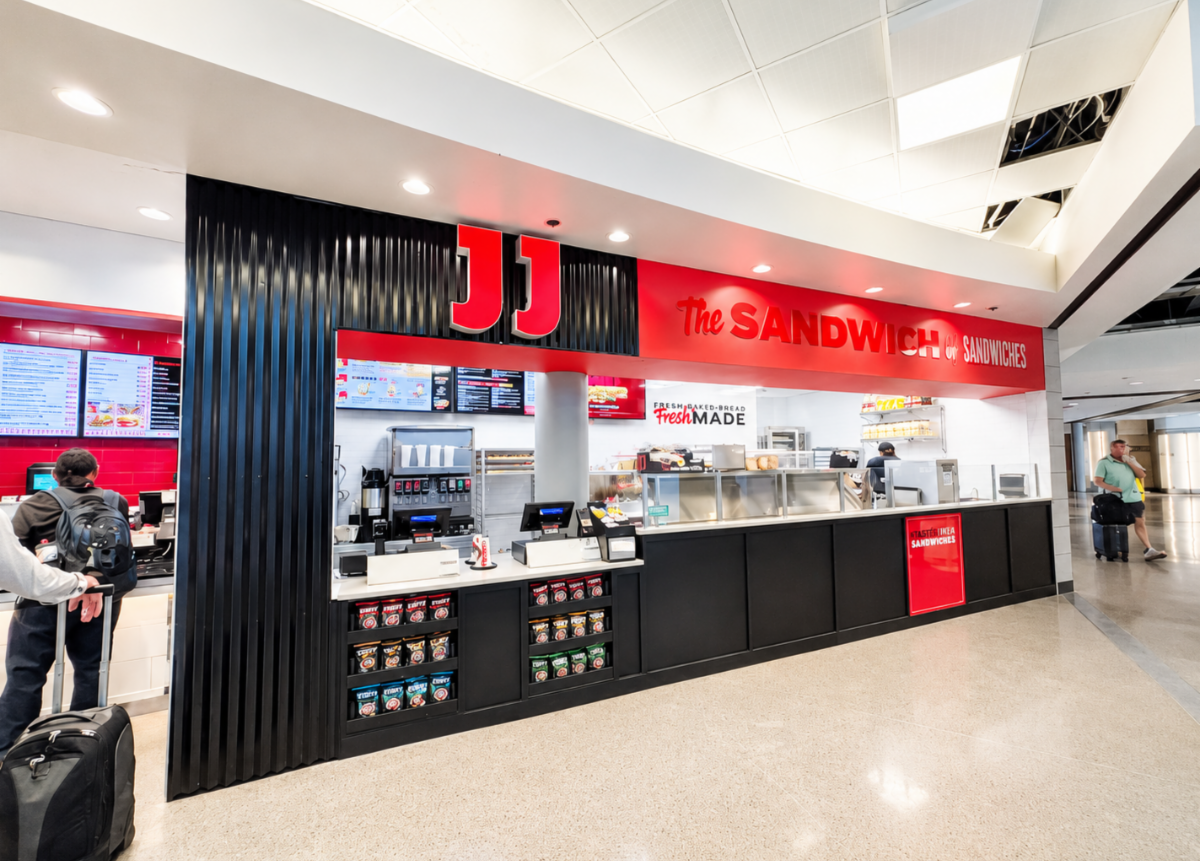
The Airmall debuted alongside the opening of the new Pittsburgh International Airport terminal in 1992, introducing an innovative retail and dining experience for travelers. Since then, Shannon Construction has maintained a long-standing partnership within the airport.

More than three decades later, Shannon remains actively involved in the airport’s transformation, proudly completing 14 retail and restaurant upgrades and new tenant spaces as part of the opening of Pittsburgh International Airport’s new terminal in 2025.

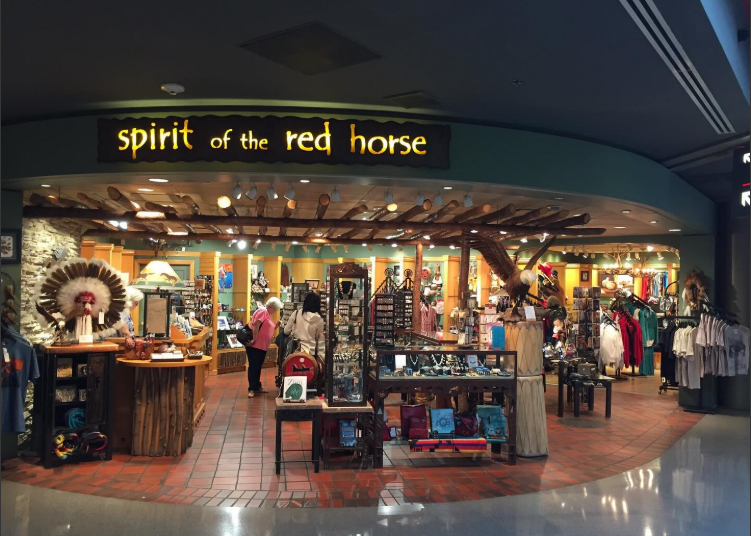
Then

Historic retail construction at Pittsburgh International Airport

Retail construction at Pittsburgh International Airport has been part of Shannon Construction’s work since the original Airmall debuted in 1992.
Now

Modern restaurant buildout at Pittsburgh International Airport

Recent restaurant upgrades and tenant buildouts completed as part of Pittsburgh International Airport’s new terminal development in 2025.

A Trusted Partner at Penn Center East

Shannon Construction’s work within Penn Center East began decades ago under the original property developer, Soffer Organization. Our involvement continued with LG Realty Partners, and now with current management, M&J Wilkow.  These relationships have led to ongoing tenant improvements, renovations, and redevelopment projects across the campus.

Then

RIZZO International Engineering headquarters at Penn Center East in 2009

In 2009, Shannon completed the $3M buildout of RIZZO International Engineering’s corporate headquarters at PCE during an economic recession.
Now

RIZZO reimagined headquarters at Penn Center East in 2025

Longtime partner M&J Wilkow once again engaged Shannon Construction to deliver RIZZO’s newly reimagined headquarters within Penn Center East in 2025.

While projects, tenants, and industries continue to transform, Shannon Construction’s approach has remained consistent: build strong relationships, do quality work, and continue showing up over time.

Employee Spotlight – Patrick Bruce’s Growth in Project Management

Patrick Bruce

Tony Kozak shares his thoughts on stepping into the Controller position, supporting our project and operations teams, and a few personal insights as well.

As a Senior Project Manager with Shannon Construction, Patrick leads complex projects while supporting team development and contributing to how projects are executed across the company.

A Promotion Built on Growth

Patrick Bruce’s promotion to Senior Project Manager represents years of steady growth, hard work, and a commitment to improving his craft.  “It’s the reward and payoff of years of hard work, dedication, and continued learning,” Patrick said.

From starting in estimating to moving into an Assistant Project Manager role and now leading larger, more complex projects, Patrick has built a strong foundation and expanded his impact over time.

“Patrick brings a level of passion, but it’s controlled,” says Jack Bruce, Director of Projects at Shannon Construction. “He’s not reactive. He takes the time to think through situations and make the right call.”

Evolving Beyond Execution

As Patrick has grown in his role, his focus has shifted beyond simply managing tasks to improving how projects are planned and executed. “I’ve become more involved in shaping how projects are run,” Patrick explained. He approaches each project with structure and consistency, maintaining core weekly processes such as schedule updates, budget reviews, and team coordination, while remaining flexible enough to adapt to the unique challenges of each job.

That balance between structure and adaptability has become a defining part of how he leads projects.

Leading Through Communication

Not communicating, no matter how difficult the situation, creates bigger problems than anything.

At the core of Patrick’s approach is one simple principle: communication drives success. “Communication with everyone is the most important factor. Everyone must know the expectation and be reminded of it constantly,” he said.

He has seen firsthand the impact of poor communication and how quickly it can create larger issues. This mindset carries through in how he builds relationships with clients, subcontractors, and his team, emphasizing clarity, consistency, and accountability.

Navigating Complexity with Confidence

Patrick has demonstrated the ability to lead through challenging and complex projects, including those that require navigating unforeseen conditions, delays, and difficult conversations. A recent project that stands out is the Chitwood Hall project at West Virginia University, where the historical nature of the building introduced unexpected challenges.

“It created some uncomfortable conversations with the owner which had to be worked through,” Patrick said. Despite those challenges, the project was ultimately recognized with the MBA’s Building Excellence Award for Renovation Construction Under $4 Million.

“He doesn’t overreact. He works through it and keeps things moving,” said Jack Bruce, Director of Projects. His ability to remain steady and solutions-focused in these moments has been a defining part of his growth.

Expanding Perspective and Ownership

As part of his transition into a senior role, Patrick has developed a stronger understanding of the financial and strategic side of construction. “He’s starting to think more like an owner,” Jack said. “Understanding cost, value, and how decisions affect the bigger picture.”

This broader perspective, combined with his willingness to support other project managers and help solve challenges across teams, reflects what sets a Senior Project Manager apart.

Technology as a Foundation

Technology plays a central role in how Patrick manages projects, with Procore serving as a key tool in his day-to-day work. “It’s the base for everything I do,” he said. From communication and documentation to scheduling and financial tracking, Procore helps ensure transparency and accountability across all stakeholders.

“Everything is shareable and trackable. It gives you backup and increases accountability,” Patrick explained. This level of visibility helps keep projects aligned and reduces the risk of miscommunication.

A Commitment to Continuous Improvement

One of the most important factors in Patrick’s growth has been his approach to feedback and learning.

“He takes criticism well and actually applies it,” Jack said. “That’s a big part of why he’s grown as much as he has.”

Rather than avoiding challenges, Patrick leans into them, using each experience as an opportunity to improve and refine his approach.

A Team and Family Focus

Patrick values the culture at Shannon and the emphasis on both professional and personal growth. “It’s a family company that cares about their employees and their development,” he said.

Outside of work, he enjoys spending time with his wife and daughter, along with playing softball and golf.

Looking Ahead

Patrick’s promotion reflects both his contributions to date and the potential he brings moving forward. With a strong foundation in project management, a commitment to communication, and a growing strategic perspective, he is well positioned to continue delivering successful outcomes for Shannon and its clients.


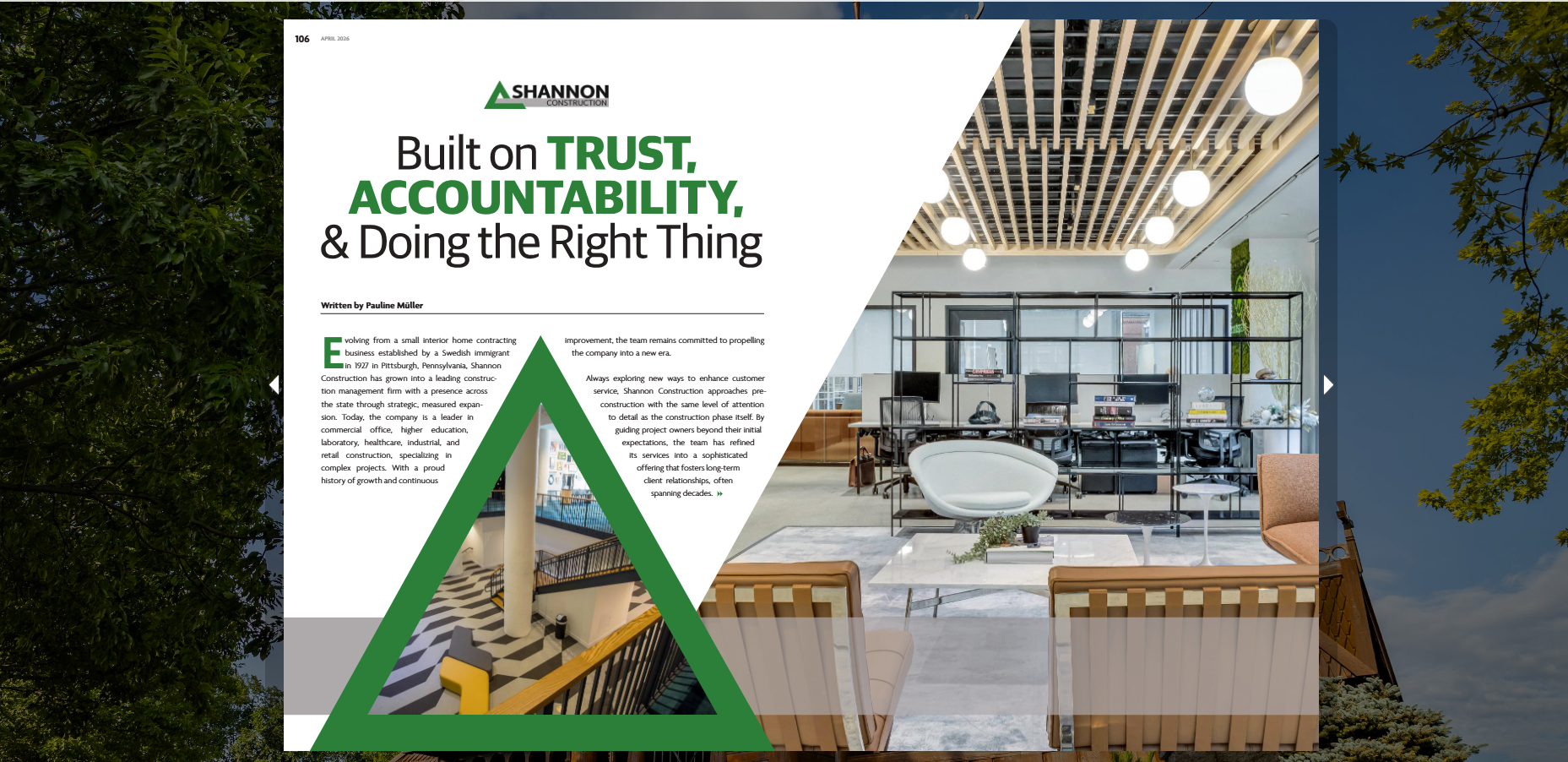
Shannon Featured in Construction in Focus Magazine

Construction in Focus Magazine Feature

Doing the right thing, regardless of convenience or cost, is a non-negotiable principle at Shannon.

As a Pittsburgh-based general contractor and construction manager, Shannon Construction was recently featured in the April 2026 edition of Construction in Focus Magazine, highlighting the relationships, values, and approach that define our work.

The feature tells the story of a company built on doing the right thing, prioritizing long-term partnerships, trust, and accountability in every project we take on. From repeat clients to lasting industry relationships, Shannon’s success is rooted in a people-first approach that continues to guide our work today.

The article also highlights our commitment to delivering complex projects with precision and care, supported by a team that brings deep experience and a collaborative mindset to every engagement. Whether working with clients, partners, or communities, our focus remains the same: building strong relationships and delivering results that stand the test of time.

This recognition reflects the dedication of our entire team and the trust our clients place in us every day. We are also grateful to our subcontractor partners, Manion Plumbing and Mariani & Richards, Inc., for sponsoring this feature.

Women in Construction Spotlight: Kimm Naugle’s Construction Journey

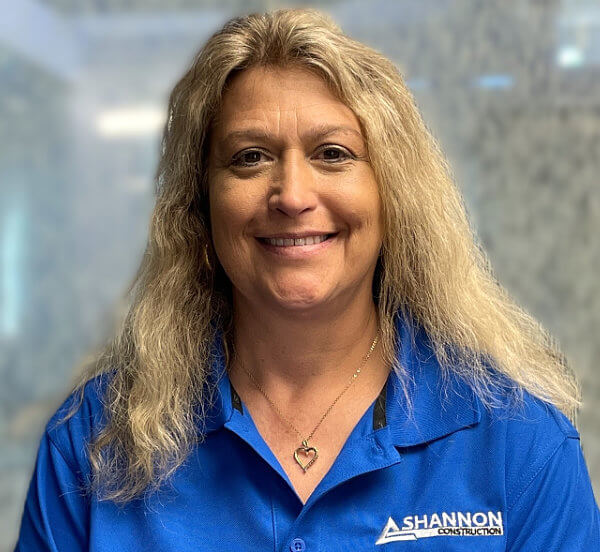
Kimm Naugle

Tony Kozak shares his thoughts on stepping into the Controller position, supporting our project and operations teams, and a few personal insights as well.

After decades working in the trades, Project Engineer Kimm Naugle now helps coordinate complex construction projects at Shannon Construction. Her career journey highlights the value of field experience, adaptability, and lifelong learning in the construction industry.

A Foundation in the Trades

Construction has been part of Kimm’s life from the beginning. The daughter of a New Jersey residential contractor, she grew up around job sites, tools, and building projects. By age 18, her father handed her the responsibility of running a full gut renovation. It was a “sink or swim” moment that helped cement her path in the industry.

Kimm went on to build her career through the trades and spent years as a member of the Drywall Finishers and Allied Trades union. She later continued her work in Hawaii, where she spent nearly a decade refining her skills.

While working on a project at a VA hospital, a conversation with a project manager shifted her perspective. The manager encouraged her to consider project management and pointed out that her field experience could translate well into leadership roles.

Bridging the Gap Between Field and Management

Kimm decided to pursue that path and earned her degree in Project Management in 2017 while continuing to work full time. She later joined Shannon Construction in 2024.

Today she supports the Commonwealth Charter Academy (CCA) project in Moosic, Pennsylvania and also assists with several other CCA sites across the region.

As a Project Engineer, Kimm helps coordinate the many moving parts of a construction project. Her responsibilities include managing documentation, maintaining daily logs, tracking progress with a 360-degree site camera system, and helping resolve issues that arise during construction.

“Coming from the trades, I used to focus on the work right in front of me,” Kimm says. “Now I see the full picture. I understand how scheduling, documentation, and communication all impact the crews on the ground.”

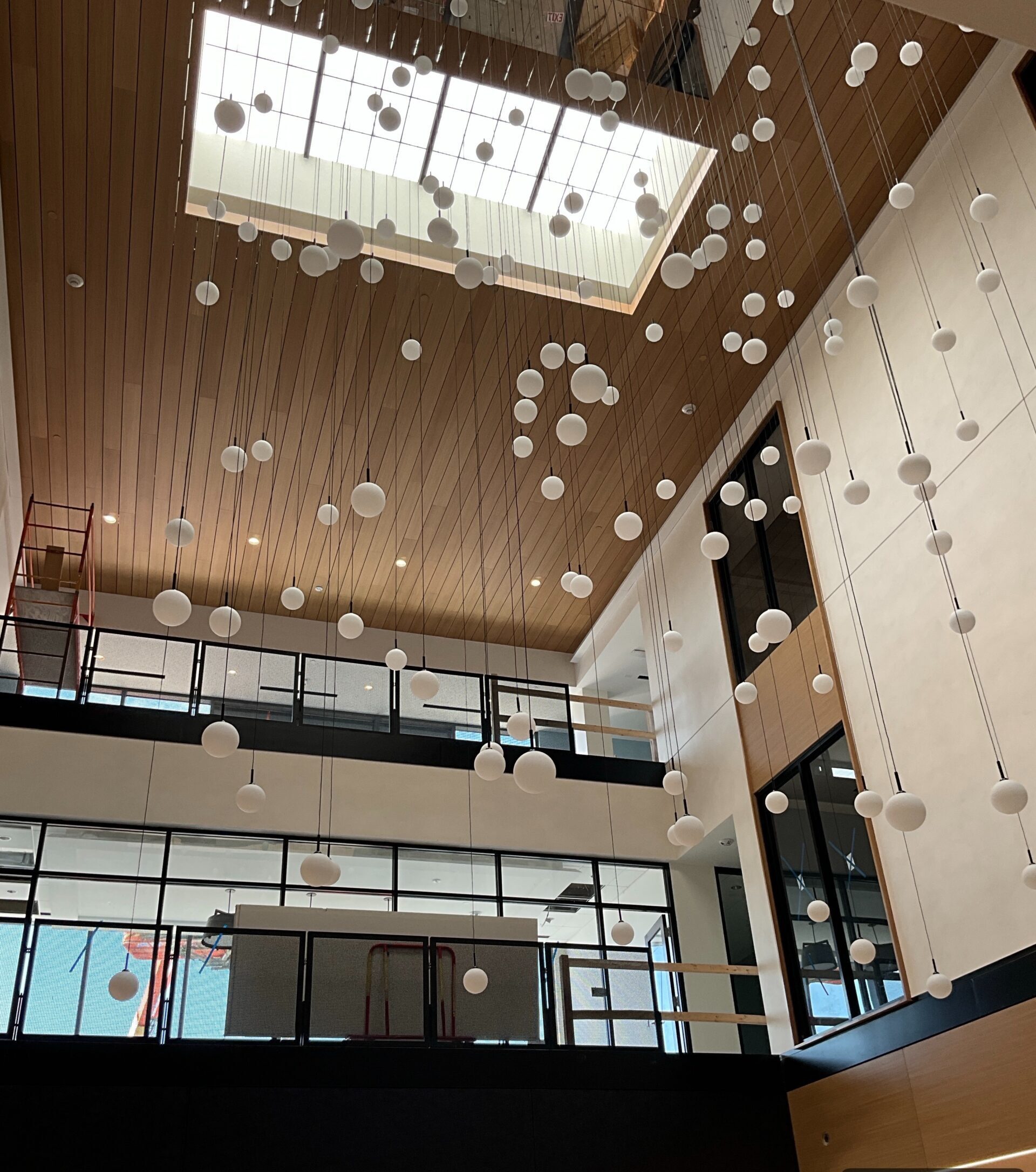
The new three-story atrium at Commonwealth Charter Academy’s Moosic campus features a skylight and suspended lighting installation, transforming the building’s center into an open, light-filled space.

Watching a Vision Take Shape

One of Kimm’s favorite parts of the Moosic project has been watching the building’s central atrium take shape.

During construction, crews removed sections of the existing floor slabs to create a dramatic three-story open space with communicating stairs, a skylight, and a chandelier centerpiece.

“You start with drawings, and then suddenly it’s real,” she says.

A Supportive Team Environment

Kimm says one of the things she values most about working at Shannon Construction is the team environment.

“They let you spread your wings and figure things out, but there’s always a safety net if you need help,” she explains.

She also credits the strong collaboration with the Commonwealth Charter Academy team for helping keep the project moving smoothly.

Looking Ahead

Kimm continues to build experience coordinating complex projects and learning more about the behind-the-scenes work that keeps construction projects moving forward.

Her goal is to continue growing in the industry as a Project Manager.

Outside of work, Kimm enjoys staying active and spending time outdoors. In the summer she enjoys relaxing by the pool and playing recreational sports like horseshoes.

Shannon Construction Featured In Invest: Pittsburgh

Shannon Construction President Ken Schultz was recently featured in Invest: Pittsburgh 3, a regional business publication produced by Capital Analytics Associates. In the interview, Ken discusses Shannon’s long-standing commitment to client service, the company’s approach to construction management, and opportunities for continued growth in the Pittsburgh market.

Read the Full Interview>>

Read the Report from Capital Analytics>>

Introducing Christian Schultz – Four Generations of Leadership

Tony Kozak shares his thoughts on stepping into the Controller position, supporting our project and operations teams, and a few personal insights as well.

While his connection to Shannon spans a lifetime, Christian brings more than legacy to the role. With a background in engineering and a decade of experience in the medical device industry, he steps into this new chapter focused on stewardship, engagement, and strengthening the service-first culture that defines Shannon.

In this conversation, Christian shares what this transition means to him, how outside experience has shaped his leadership perspective, and what he believes sets Shannon apart. Continue reading “Introducing Christian Schultz – Four Generations of Leadership”